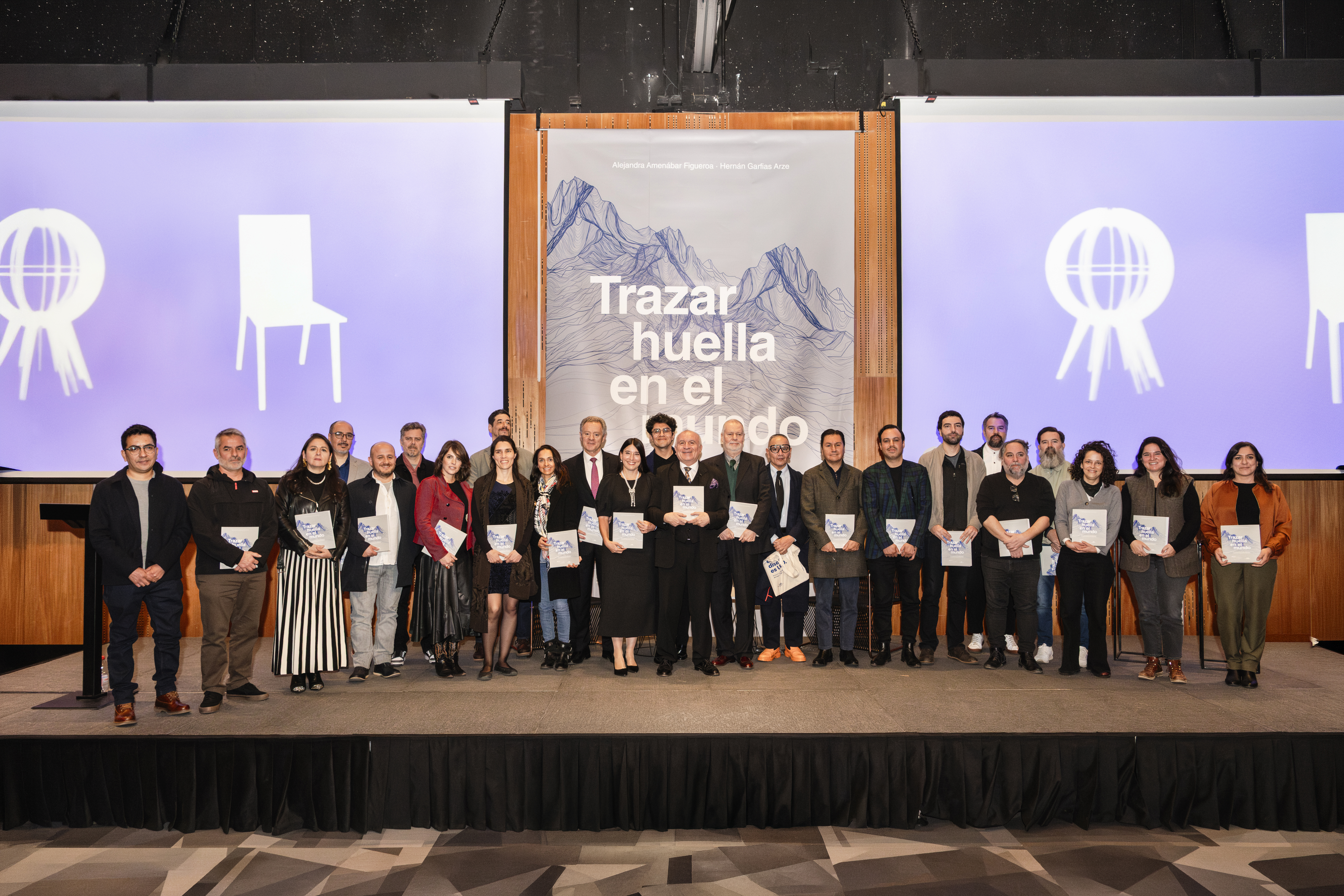
The publication, written by Alejandra Amenábar, dean of the UDD School of Design, and designer and professor Hernán Garfias, traces the process that helped put Chilean design on the map at major international events between 2011 and 2018.
The launch of Trazar huella en el mundo: The Global Reach of Chilean Design Through Its Geography and Nature took place in Concepción and Santiago. This publication documents the process through which Chile succeeded in showcasing its design on prominent international stages, establishing it as a cultural, identity-defining, and strategic expression for the country.
The book, funded by the National Fund for Cultural Development and the Arts (Fondart)—under the regional funding program for the 2025 call for proposals—of the Ministry of Culture, Arts, and Heritage, was written by Alejandra Amenábar, dean of the School of Design at the Universidad del Desarrollo, in collaboration with renowned designer Hernán Garfias. The book stems from the need to highlight, preserve, and showcase a fundamental chapter in the recent history of Chilean design: its process of internationalization and its contribution to shaping the country’s narrative abroad.
Through texts, testimonials, images, and analysis, this publication explores the key initiatives that helped establish Chilean design on platforms of global significance, highlighting the collaborative efforts among public, private, academic, and professional institutions.
The launch in Santiago was attended by Francisco Undurraga, Minister of Culture, Arts, and Heritage, who, in his speech, praised the contribution of the research, as well as officials from the Universidad del Desarrollo, including Board member Verónica Délano and Rector Federico Valdés.
“I want to highlight the contribution of the authors, who have conducted rigorous research and documented a collective experience that involved designers, curators, public institutions, universities, and private-sector actors,” Undurraga said.
Eugenio Guzmán, dean of the UDD School of Government, also spoke during the ceremony, providing context for the publication’s scope and reflecting on the role of design in shaping cultural identity.
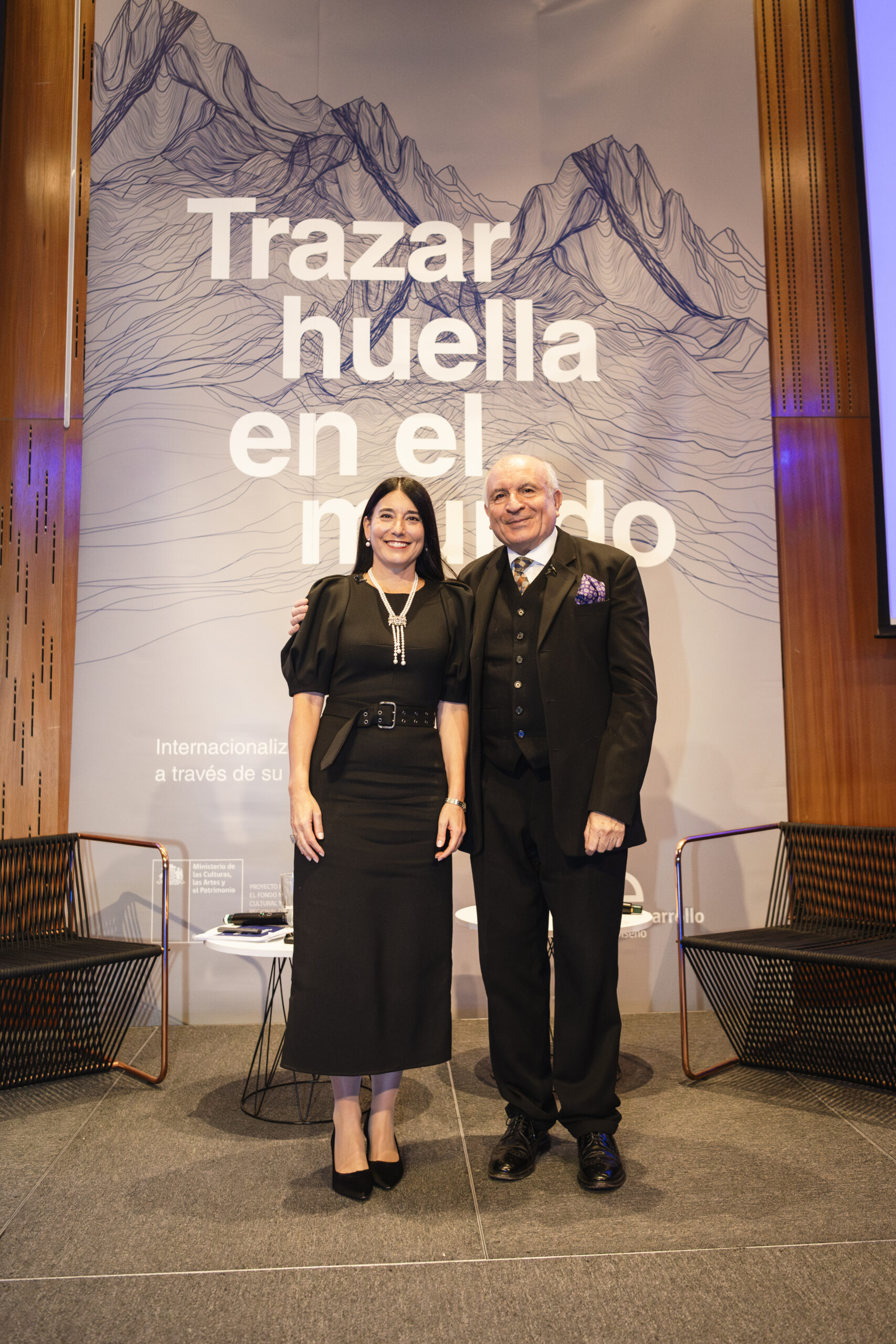
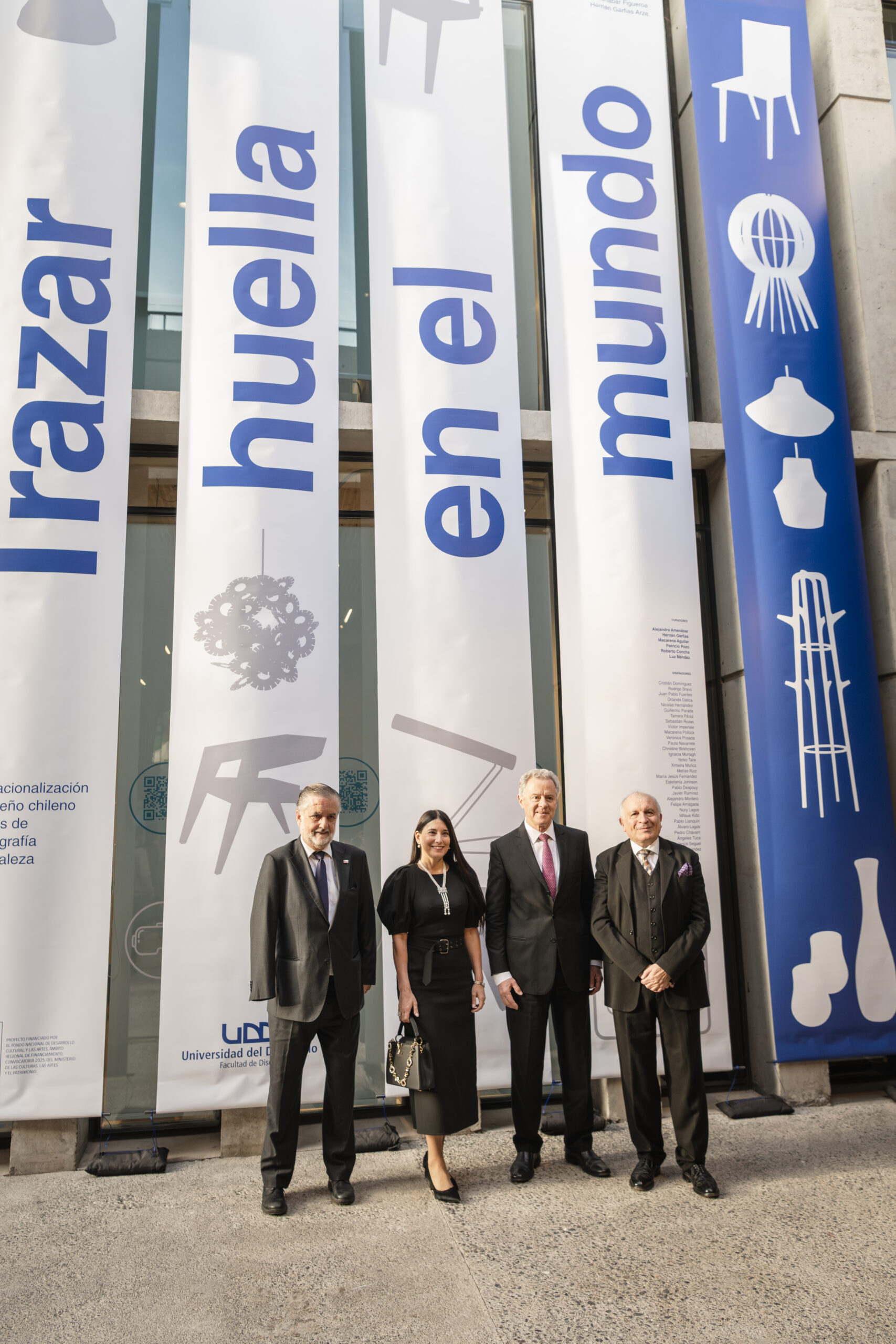
“Design, in its deepest sense, is neither a profession nor an industry; it is a way of relating to the material world. It is a disposition, a willingness to intervene in what already exists in order to improve it and give it new meaning. Leaving a mark on the world is, in that sense, a story about enthusiasm. It is a book about how a country builds its voice,” he emphasized.
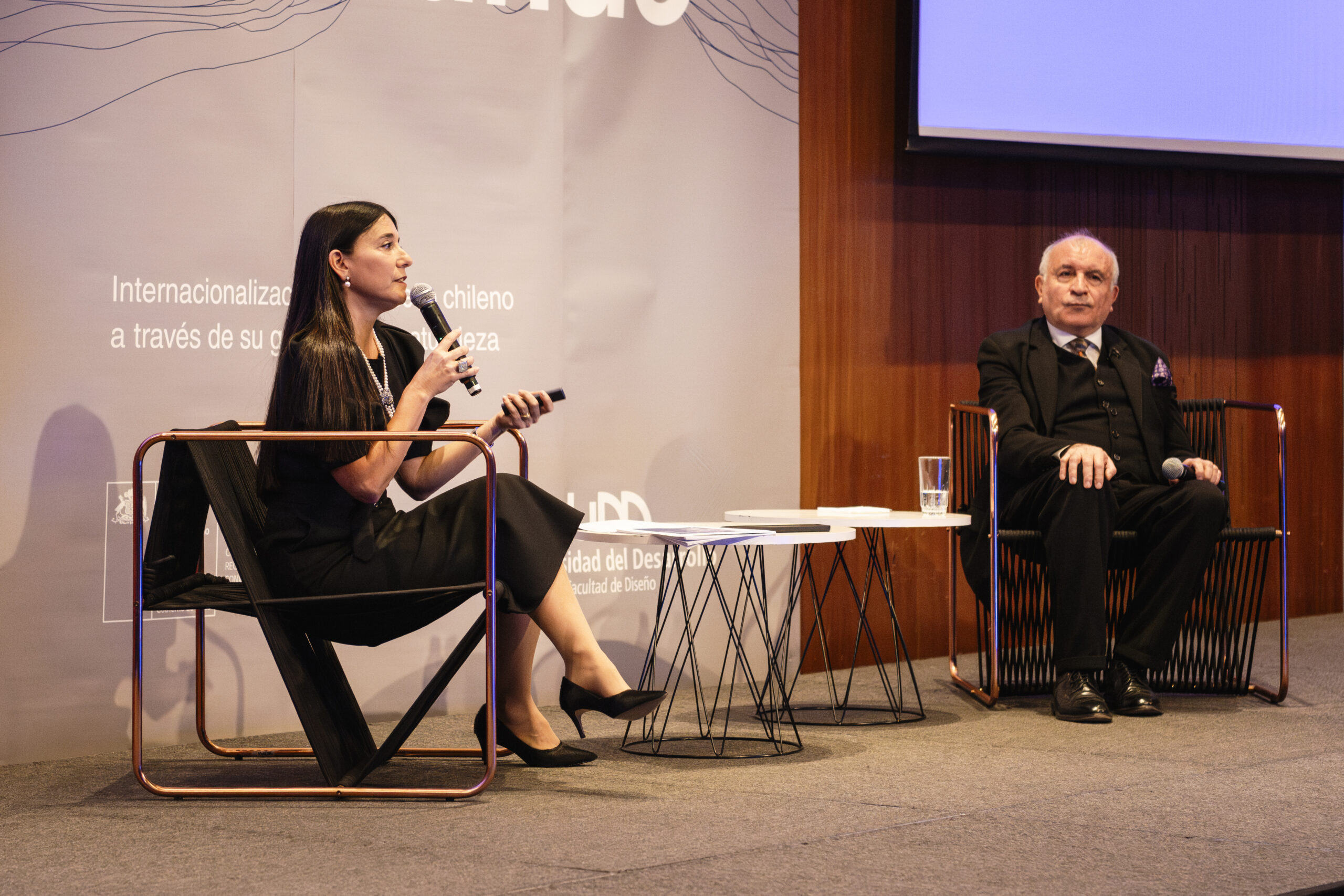
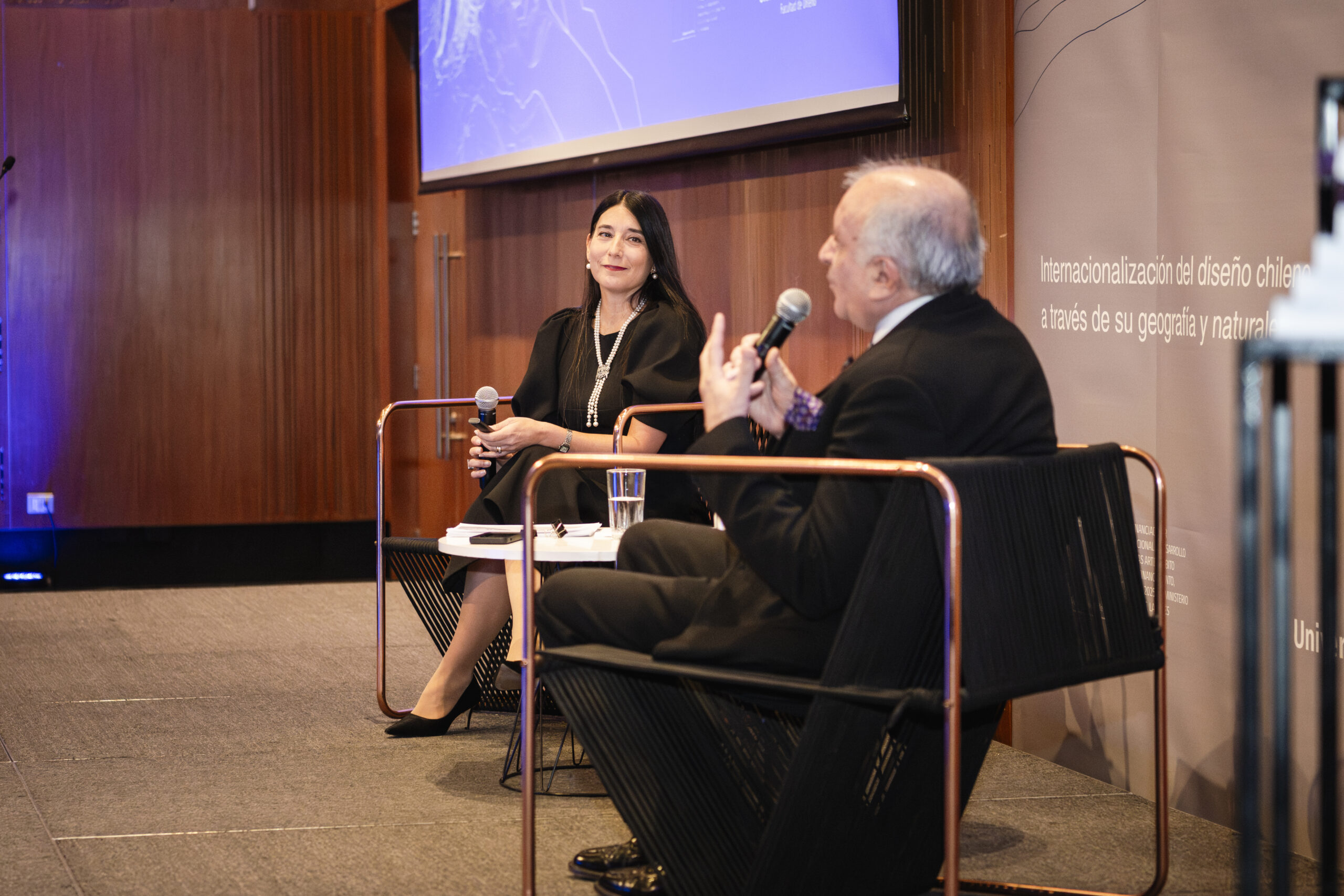
Alejandra Amenábar and Hernán Garfias then presented the book, reviewing the main milestones in the internationalization of Chilean design and sharing previously untold anecdotes about their experiences on various international stages.
“This book seeks to highlight a key moment in the internationalization of Chilean design, during which we were able to articulate a national narrative through geography, materiality, and culture. The goal was to project an identity and understand design as a tool of cultural diplomacy capable of positioning Chile on the global stage,” explained Amenábar.
For his part, Garfias emphasized that “what happened starting in 2010 was not a coincidence, but rather the result of a process that had been developing for decades. This book chronicles part of that journey and explains how, through an unprecedented collaboration between the government, academia, and the professional sector, Chilean design managed to establish itself on major international stages.”
A History of Collaboration and International Reach
The story recounted in the book began in 2010, when the Directorate of Cultural Affairs (DIRAC) of the Ministry of Foreign Affairs incorporated design into its cultural diplomacy strategy. To this end, it formed an advisory committee composed of representatives from the public, private, academic, and professional sectors, creating an unprecedented collaboration that laid the groundwork for the international promotion of Chilean design.
It all began with an exploratory mission to Milan in 2011, led by Hernán Garfias, Alejandra Amenábar, and designer Macarena Aguilar. The visit made it possible to forge ties with international leaders in the field and assess the opportunities Chile had to establish itself within the global design scene.
From that point on, the country established a sustained presence at international trade shows, festivals, and exhibitions in cities such as Milan, London, and New York. Initiatives such as South West View, Passion Chilean Design Vision, Chilean Design Now, Chilean Design is Moving, High Noon, and This Is Chile built a curatorial narrative based on the country’s geography, nature, materiality, and cultural identity.
More than just exhibitions, these events became platforms for collaboration and strategic positioning that strengthened networks, created new opportunities for Chilean designers, and helped solidify Chile’s presence within the international contemporary design ecosystem.