This initiative helps strengthen intercultural dialogue among schools, researchers, and design communities from different contexts and parts of the world.
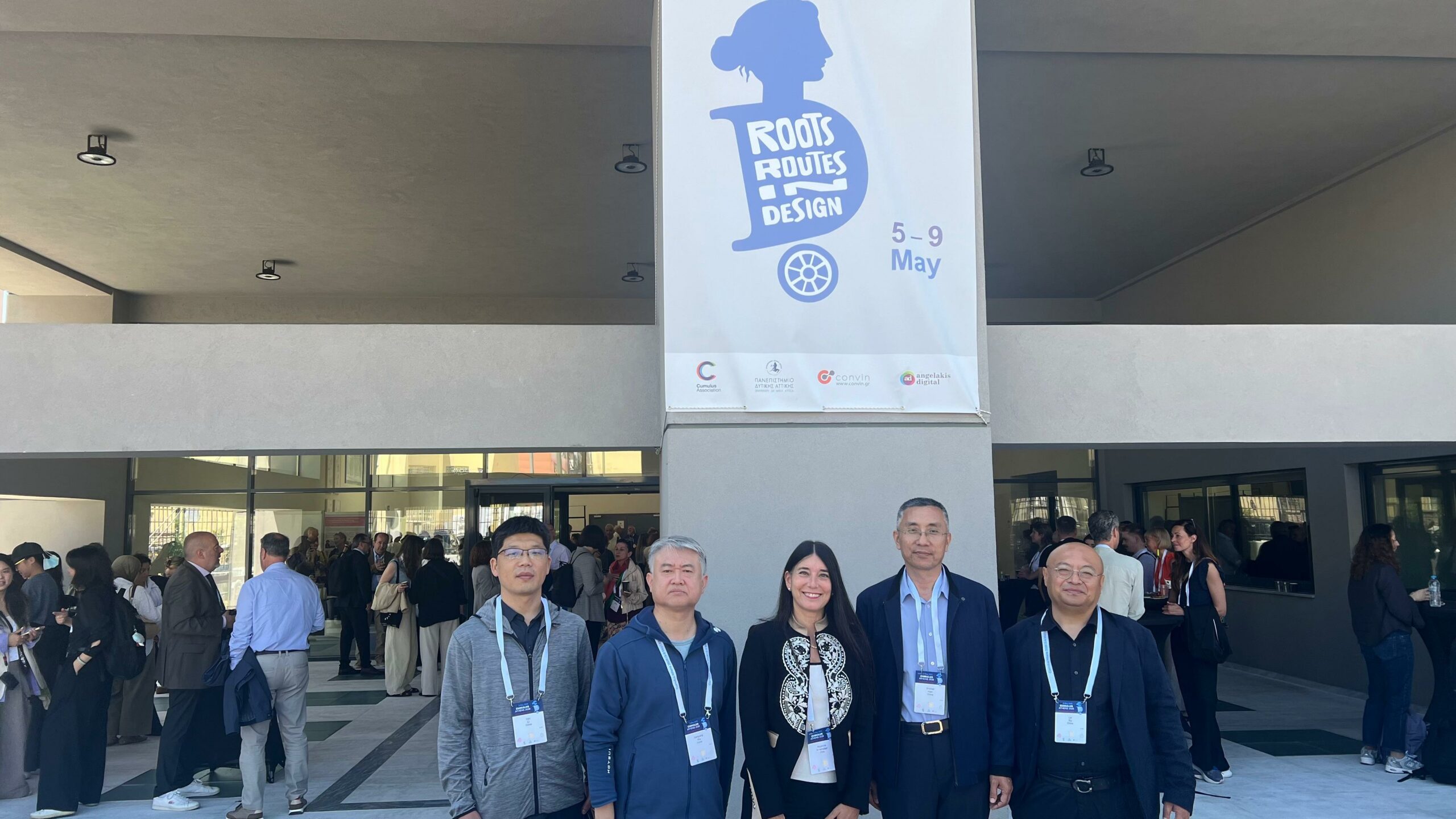
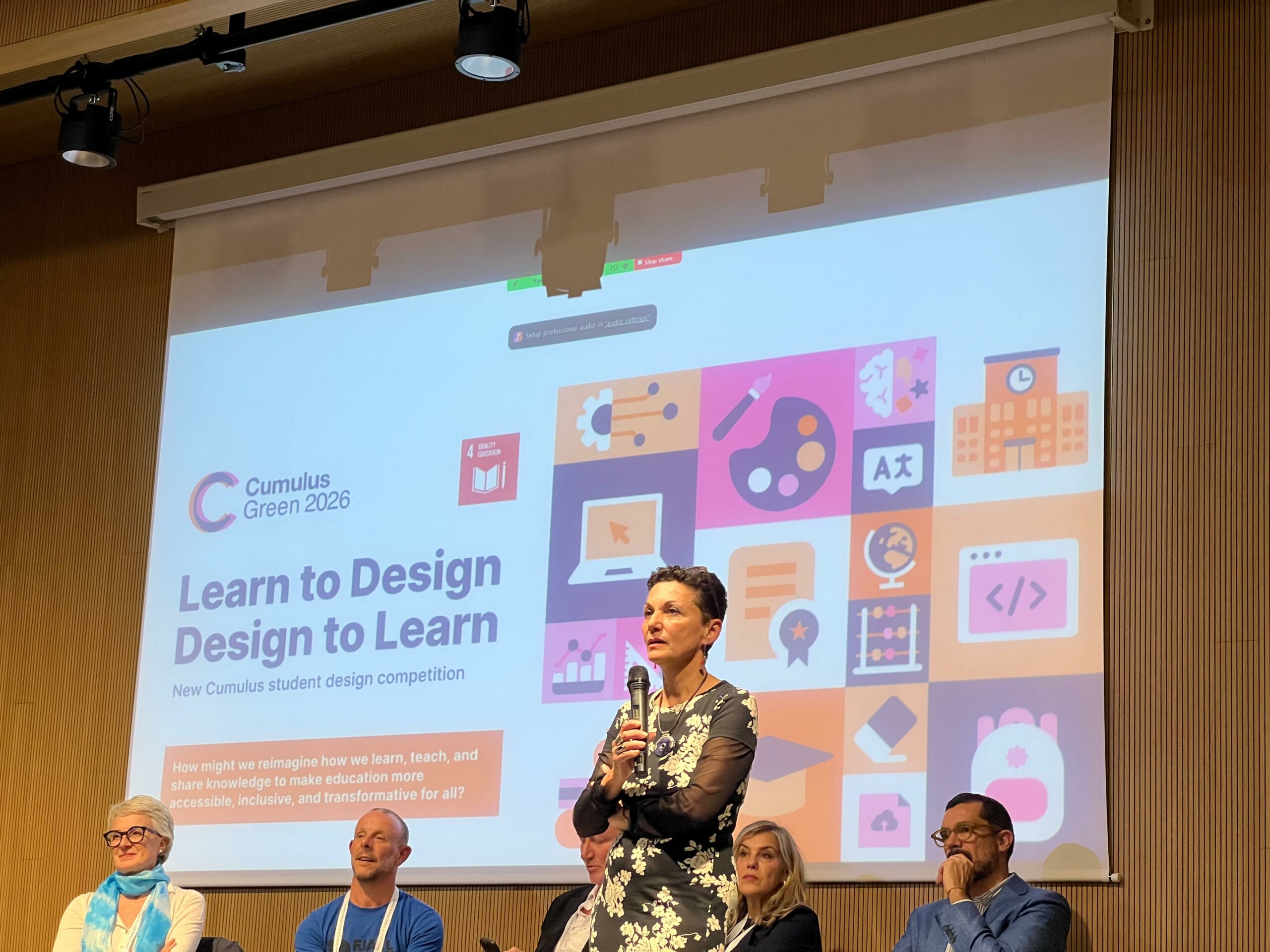
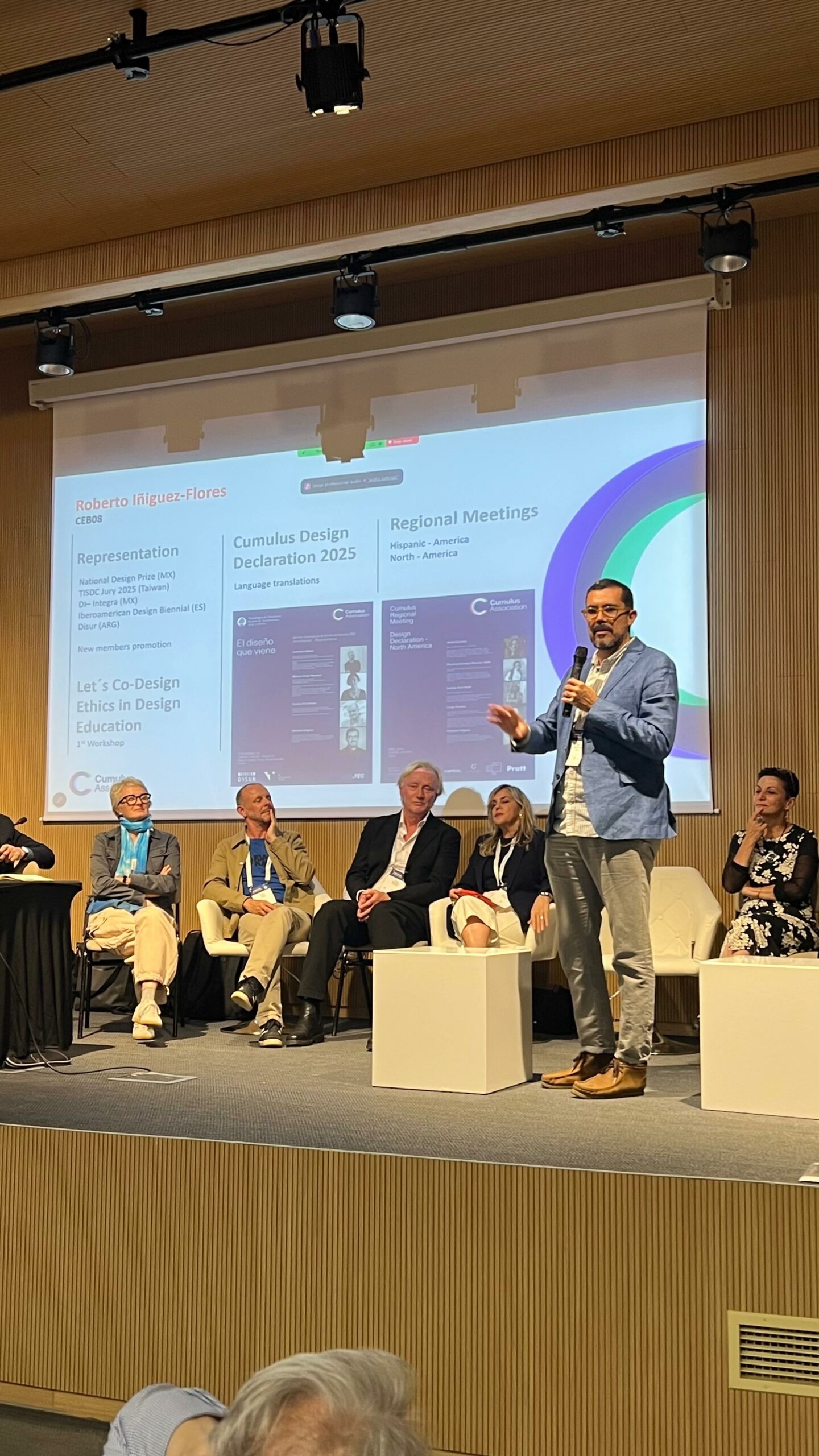
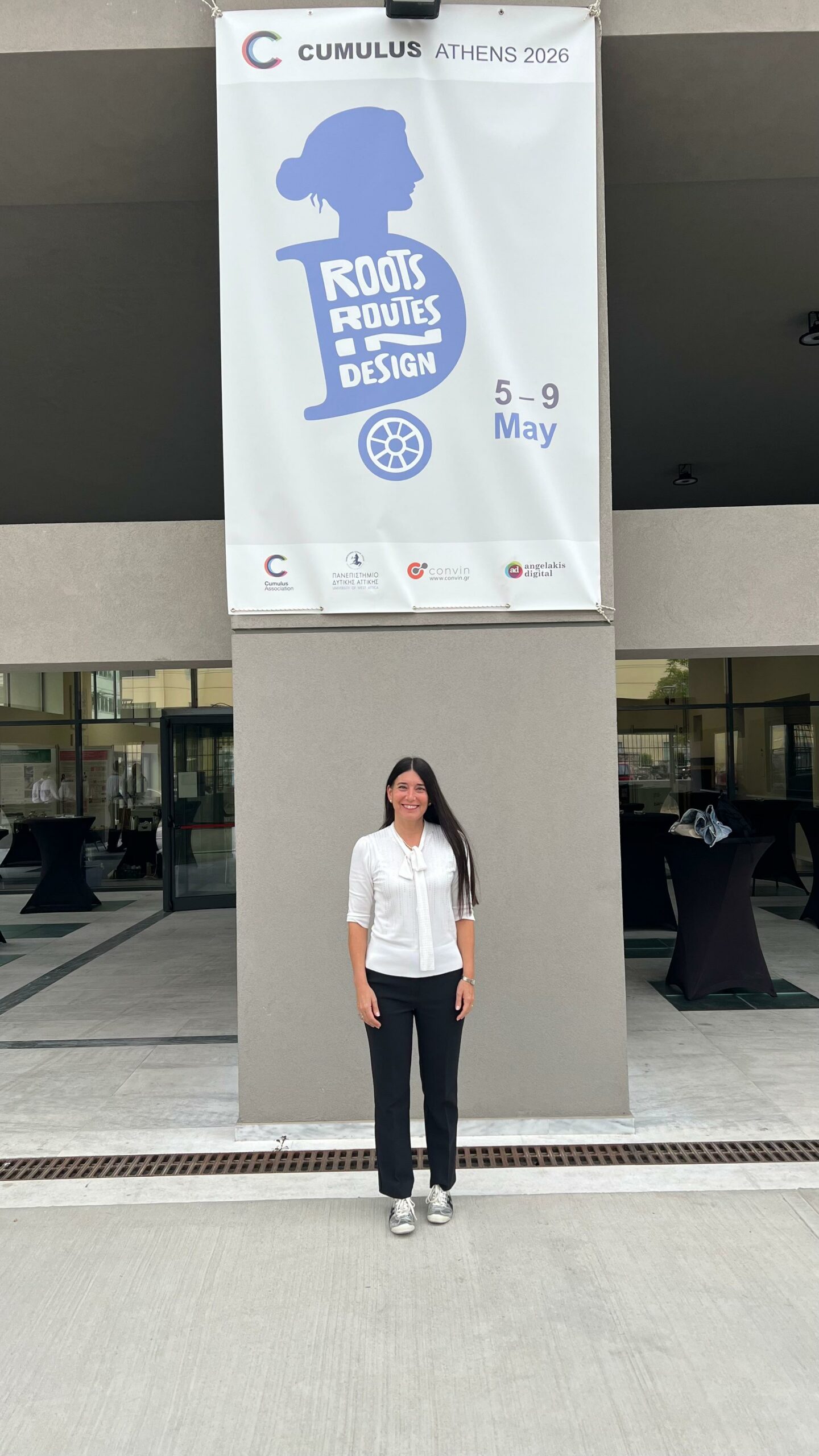
The Cumulus Association’s 2026 Conference, one of the leading international gatherings focused on design education, research, and practice, took place in Athens, Greece, from May 6th to 9th. The conference was attended by Alejandra Amenábar, dean of the UDD School of Design, along with academics, researchers, and representatives from design schools around the world.
Under the theme “Roots and Routes for Design,” the event posed a particularly meaningful question for contemporary design: How can we imagine the future without losing touch with our origins? Rather than viewing roots and routes as opposing concepts, the conference highlighted the need to understand them as complementary dimensions, capable of engaging in an ongoing dialogue within the processes of design creation, research, and education.
The choice of Athens as the venue for the conference was particularly symbolic. Greece represents one of the most influential cultural cradles of the West and a place where history, philosophy, art, and tradition continue to engage actively with the contemporary world. Just as the Olympic Games originated as a forum for not only athletic but also cultural exchange, the conference provided a space for dialogue where different cultures, perspectives, and experiences could come together through design.
In this context, international academic collaboration took on a particularly important role. Global networks such as Cumulus help strengthen intercultural dialogue among schools, researchers, and design communities from different contexts, fostering the creation of new opportunities for collaboration, research, and shared learning. Beyond geographical or cultural differences, these initiatives make it possible to identify common challenges and develop collective perspectives on the future of the discipline.
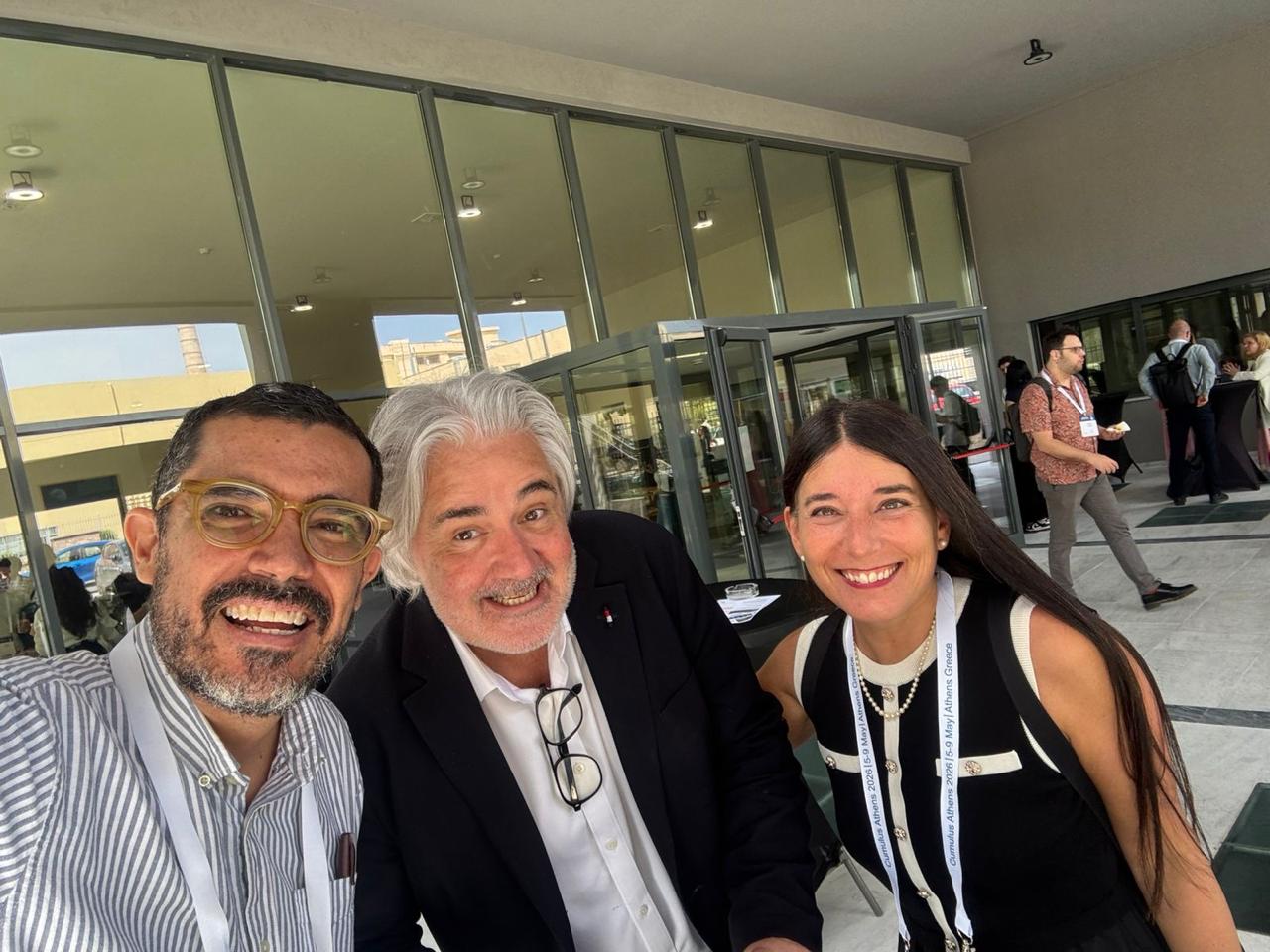
For Alejandra Amenábar, dean of the UDD School of Design, one of the most significant aspects of the conference was the reflection on the value of history and heritage within contemporary design practices. “Understanding where we come from does not mean looking at the past with nostalgia, but rather understanding our origins as a fundamental tool for envisioning new possibilities. The conference raised a question that is deeply relevant to design today: ‘How can we move toward the future without understanding where we come from?’” she noted.
This reflection took on particular significance in a context where technological transformations are advancing at a rapid pace and where design faces the challenge of integrating seemingly opposing dimensions: analog and digital, resilient and fragile, local and global. The conference proposed, precisely, moving away from these rigid dichotomies and understanding design as a space for coexistence and dialogue among multiple cultural, material, and technological dimensions.
At the same time, the theme addressed a growing concern within contemporary design: the need to develop practices that are more mindful of their cultural and territorial contexts. In a globalized and highly homogeneous world, local identities, traditional knowledge, and different ways of inhabiting the territory began to take on new value as sources of innovation and creativity.
From this perspective, Roots and Routes for Design also prompted a reflection on mobility and cultural exchange. Today, the paths of contemporary design are shaped by ongoing exchanges between cultures, people, and territories. Migration, displacement, and the global circulation of ideas are constantly transforming the ways in which we design and understand the world. Rather than viewing cultures as static structures, the conference invited participants to understand them as living, dynamic systems in a state of constant transformation.