
The School of Design at Universidad del Desarrollo hosted DRS Connects Santiago 2026, the first Design Research Society (DRS) gathering to be held in Latin America. The event brought together leaders, academics and researchers from across the region to share experiences, address common challenges and explore new opportunities for collaboration in design research.
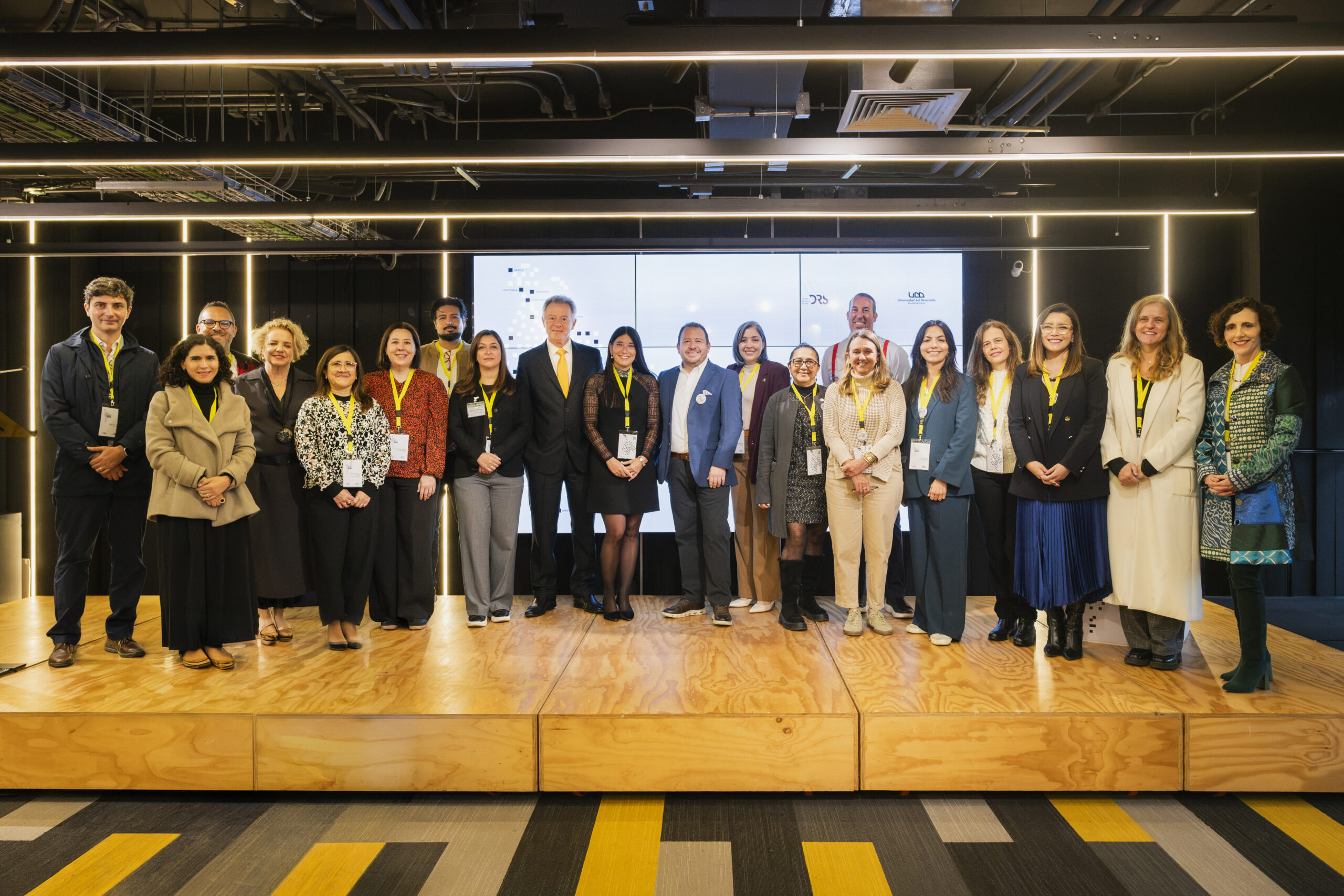
Participants included Federico Valdés, Rector of Universidad del Desarrollo; Alejandra Amenábar, Dean of the UDD Faculty of Design; Paulina Contreras, Director of Research at the Faculty of Design; as well as distinguished national and international guests.
The event opened with remarks from the two UDD authorities, who welcomed attendees and highlighted the importance of strengthening design research and its international connections. This was followed by a message from the DRS Executive Board, led by its President, Hua Dong, and former President, Peter Lloyd, as well as remarks from its Executive Director, Justin Sacks.
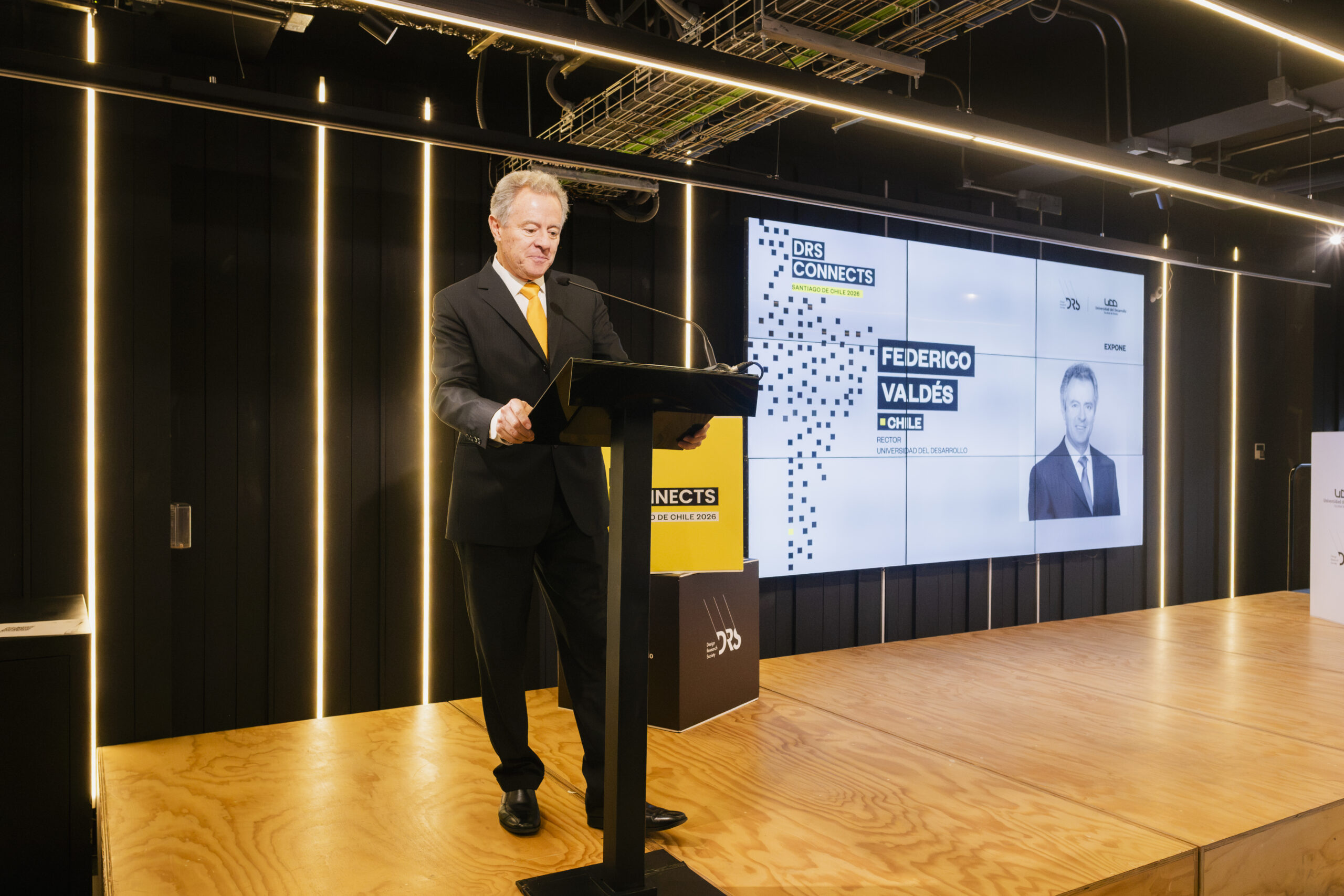
“As a university, we aim to educate professionals capable of leading the country’s development and generating knowledge that benefits society. Hosting the Design Research Society and organising DRS Connects Santiago therefore gives us an opportunity to strengthen an international community that understands design as a tool for transforming reality,” the Rector said.
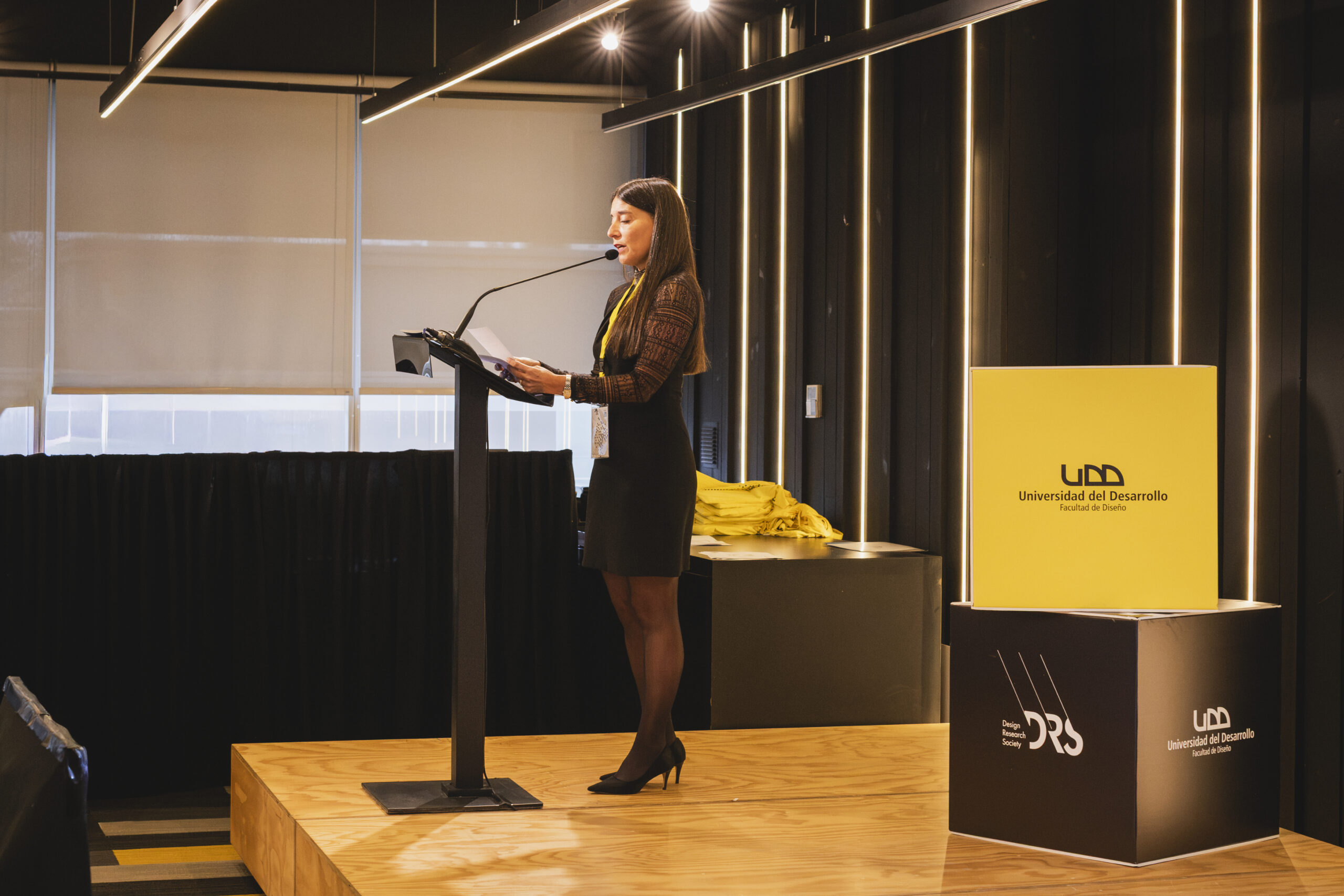
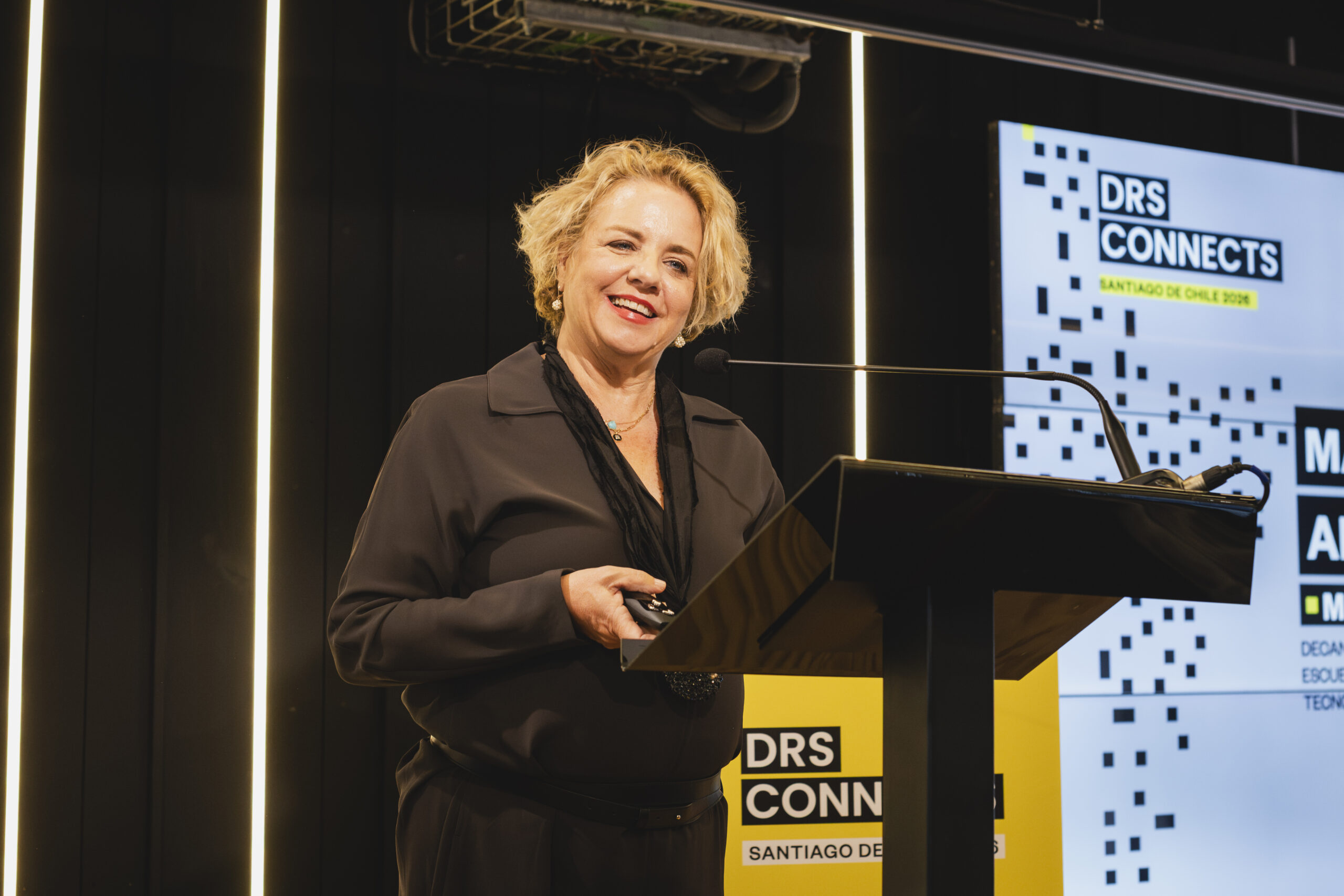
For the Dean, the event reinforced the importance of advancing design research in Latin America. “The fact that the DRS is opening a new chapter for our region represents a historic opportunity. Our continent has an extraordinary cultural, social and territorial richness, while also facing profoundly complex challenges. It is precisely for this reason that it has so much to contribute to the development of design research. This gathering invites us to get to know one another better, strengthen our networks and collaboratively build a Latin American research agenda that engages with the world from the perspective of our own realities,” Alejandra Amenábar said.
The first session of presentations was led by Justin Sacks, Executive Director of the DRS, who addressed the challenges and opportunities facing design research from the perspective of an international community that connects researchers, academics and professionals across disciplines and geographical regions.
Alejandra Amenábar then presented two research projects she has led over the course of her career in academia, cultural management and design: the research process behind the book Leaving a Mark on the World: The Internationalisation of Chilean Design (Trazar huella en el mundo, la internacionalización del diseño chileno), and the development of the patented copper-based paper, Cu-Paper.
The programme continued with a presentation by Mariana Amatullo, National Dean of the School of Architecture, Art and Design at Tecnológico de Monterrey, who shared her perspective on the potential of design to drive social transformation from a Latin American standpoint.
The first session concluded with a presentation by Gabriel León, biochemist, PhD in Cellular and Molecular Biology and science communicator, who presented a series of cases illustrating how science and creativity can emerge across different fields and from a wide range of people. He also reflected on the communication of knowledge, the value of dialogue and the importance of asking questions as a means of bringing science closer to society.
Following a period of networking and discussion among participants, the programme continued with the Latin American Design Research Leaders Forum, led by Paulina Contreras, Director of Research at the UDD Faculty of Design and a member of the Design Research Society Executive Board.
During the forum, delegates from Mexico, Brazil, Peru, Chile, Guatemala, Honduras and Colombia shared insights into how design research is being developed within their respective institutions, discussing their main areas of focus, progress and challenges. Activities continued into the second day with working sessions among the delegations, tours of Universidad del Desarrollo and the Faculty of Design facilities, and a closing reception that provided another opportunity to continue discussions and strengthen connections among participants.
“This milestone was much more than a gathering. We began with local knowledge, recognising the capabilities and perspectives that exist within our own territories; we brought them into conversation through a global dialogue; and we began to project them towards collaborative futures by building a shared agenda to strengthen design research in Latin America,” Contreras said.
This agenda began to take shape collaboratively under the leadership of Paulina Contreras, a member of the DRS Executive Board, and Cecilia Landa, Deputy Director of the DRS International Advisory Council, with facilitation by Úrsula Bravo and Alejandra Poblete, members of the Council, together with Mariluz Soto and Andrea Wechsler, researchers at Universidad del Desarrollo.
The process brought together the delegates who attended the event in person in Santiago and was subsequently expanded to include DRS members from different Latin American countries through two online workshops: one in Spanish, led by Sofía Bosch of Northeastern University, together with Ignacio Toledo and Francisco Zamorano of Universidad del Desarrollo; and another in Portuguese, led by Claudia Libânio of the Federal University of Health Sciences of Porto Alegre and Tiago Barros of the University of Brasília.
For Contreras, this first DRS Connects event marked the beginning of one of the initiative’s central aims: “to create spaces for interaction and collaboration between the DRS community and regional design research ecosystems, facilitating dialogue between communities and expanding the international circulation of the knowledge produced within each territory”.
“DRS Connects was conceived with a strong territorial focus and a commitment to continuity. We are already in discussions with potential host institutions across Latin America to ensure the initiative continues and to further strengthen a regional design research network that remains active over time. At the same time, DRS Conecta is intended to expand into new territories. The idea is that each new territory should not simply represent another edition of the event, but rather the addition of a new node to a global network that continues to grow while remaining connected,” the Director of Research at the Faculty of Design added.
Justin Sacks, meanwhile, described the gathering as a milestone for the DRS and a starting point for strengthening a Latin American community around design research. In his words, “DRS Conecta: Santiago marked several milestones for the DRS. It was our first regional conference and our first in Spanish. It was also our first conference focused on design research leadership.”
He also highlighted the connections established between leaders and institutions across Latin America and the DRS, as well as the ideas that emerged during the event, which the organization hopes to turn into concrete actions over the coming year. In this regard, he acknowledged UDD’s role in opening this new chapter in the DRS’s engagement with Latin America and expressed his hope that the University would continue to play a leading role.
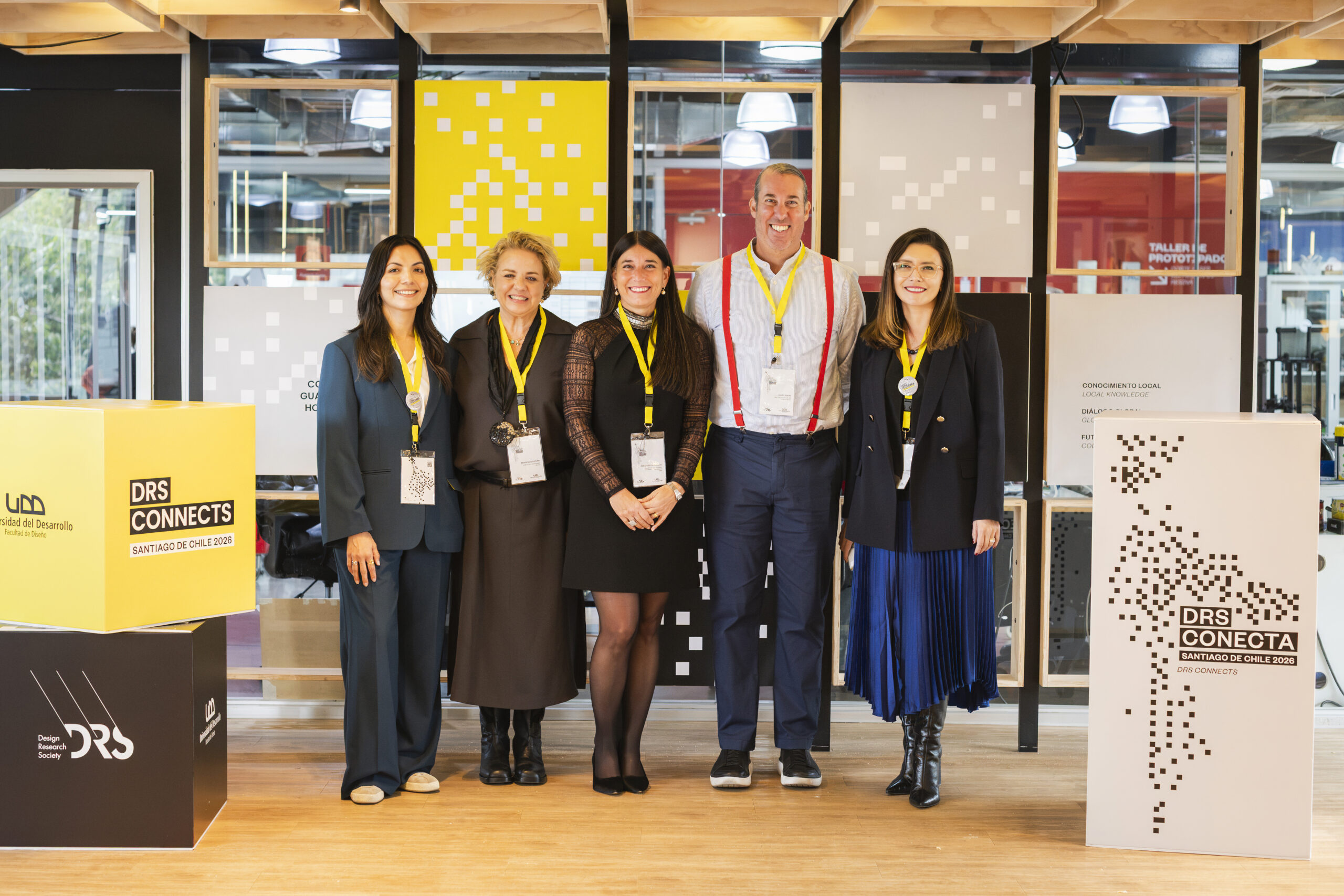
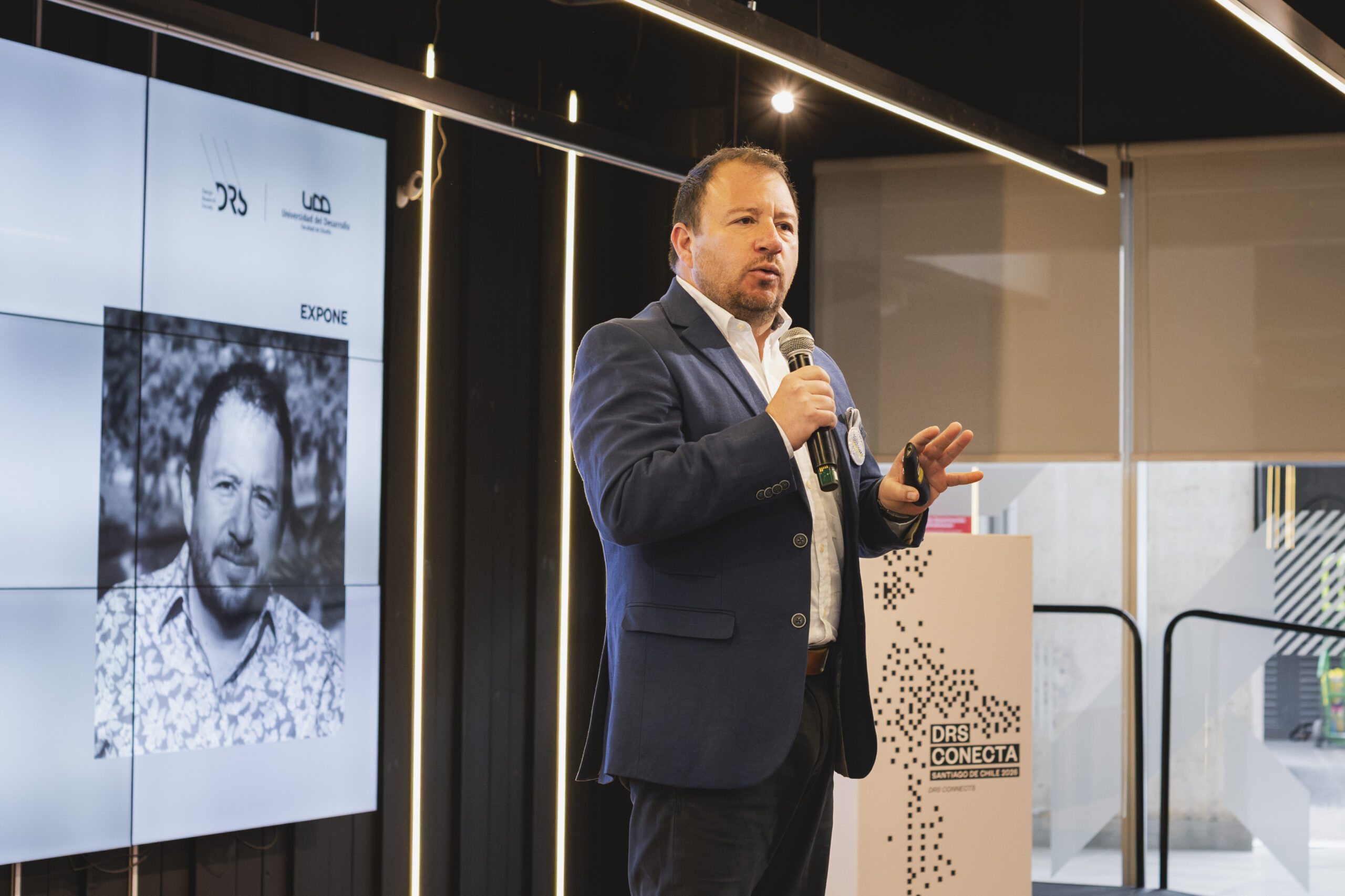
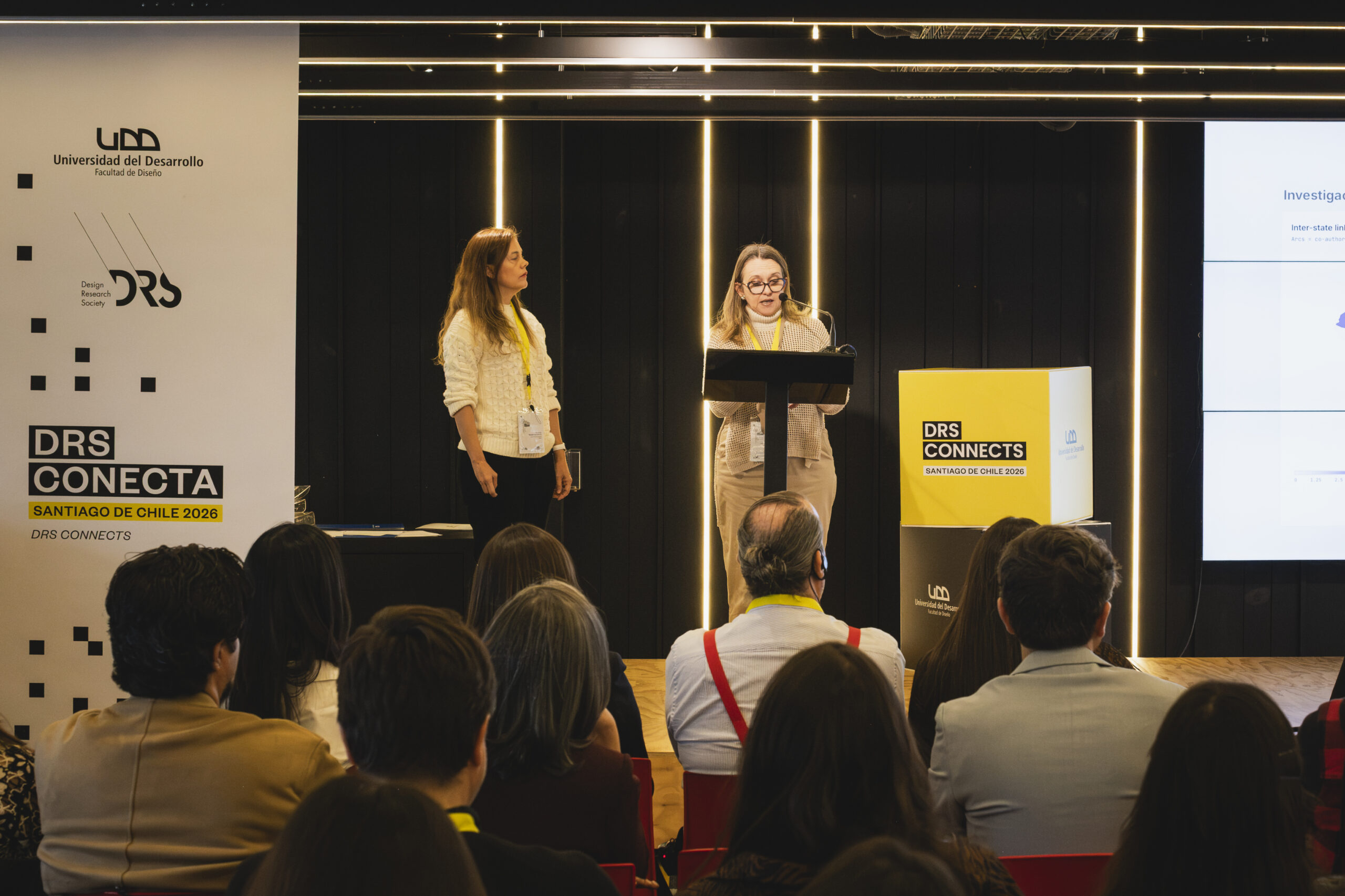
Alberto González, Deputy Director for Knowledge Transfer, School of Design, Pontificia Universidad Católica de Chile.
Alejandra Poblete, member of the DRS International Advisory Council, Universidad Tecnológica Metropolitana (UTEM), Chile.
Begoña Juliá, Deputy Director of Research, School of Design, Pontificia Universidad Católica de Chile.
Cecilia Landa, Deputy Director of the DRS International Advisory Council, School of Design and Creative Arts, Loughborough University, UK.
Claudia Rodríguez, Director of EA&D, Universidad Tecnológica Centroamericana, Honduras.
Cristóbal Moreno, Director of the Department of Management Technologies and Head of the Industrial Design Programme, Universidad de Santiago de Chile.
Daniela Favaro Garrossini, Researcher and Lecturer, Universidade de Brasília, Brazil.
Emanuele Giorgi, Director of Research, Faculty of Design, Tecnológico de Monterrey, Mexico.
Héctor Torres Bustos, Director of Innovation and Entrepreneurship, Universidad Tecnológica Metropolitana (UTEM), Chile.
José Alberto Escalera, Secretary of the Bachelor’s Programme in Industrial Design, Universidad Autónoma de Nuevo León, Mexico.
Juan del Águila, Professor and Adviser, Department of Art and Design, Pontificia Universidad Católica del Perú.
Juan Pablo Olguín, Secretary of the Faculty of Technology, Universidad de Santiago de Chile.
Mariana Amatullo, National Dean of the School of Architecture, Art and Design, Tecnológico de Monterrey, Mexico.
María de los Ángeles Ferrer, Director of the Department of Design, Universidad Tecnológica Metropolitana (UTEM), Chile.
María del Rosario Gómez, Lecturer in the Faculty of Architecture and Design, Universidad Rafael Landívar, Guatemala.
María Regina Alfaro, Vice-Dean of the Faculty of Architecture and Design, Universidad Rafael Landívar, Guatemala.
María Teresa Cedillo, Director of the Faculty of Architecture, Universidad Autónoma de Nuevo León, Mexico.
Patricia Manns, Director of the School of Design, Pontificia Universidad Católica de Chile.
Paulina Contreras Correa, Director of Research, School of Design Universidad del Desarrollo, Chile.
Santiago De Francisco, Director of the Department of Design, Universidad de los Andes, Colombia.
Úrsula Bravo, member of the DRS International Advisory Council, Schoolf of Design Universidad del Desarrollo.
Virginia Tiradentes Souto, Researcher and Lecturer, Universidade de Brasília, Brazil.
