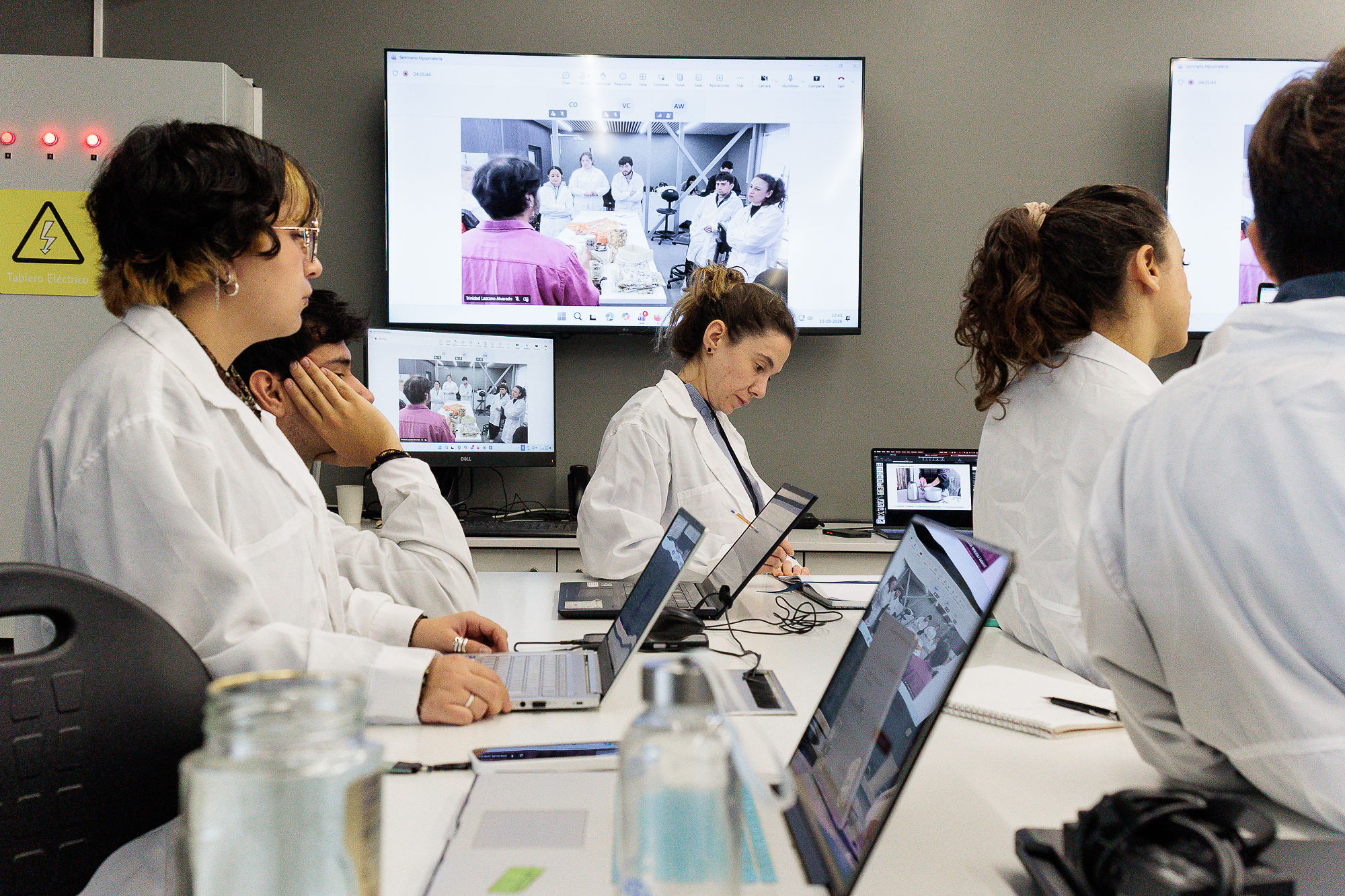
The “Mycomateria” conference brought together universities, technology centers, designers, architects, and scientists from various countries to promote the development of sustainable materials made from mycelium and agro-industrial waste.
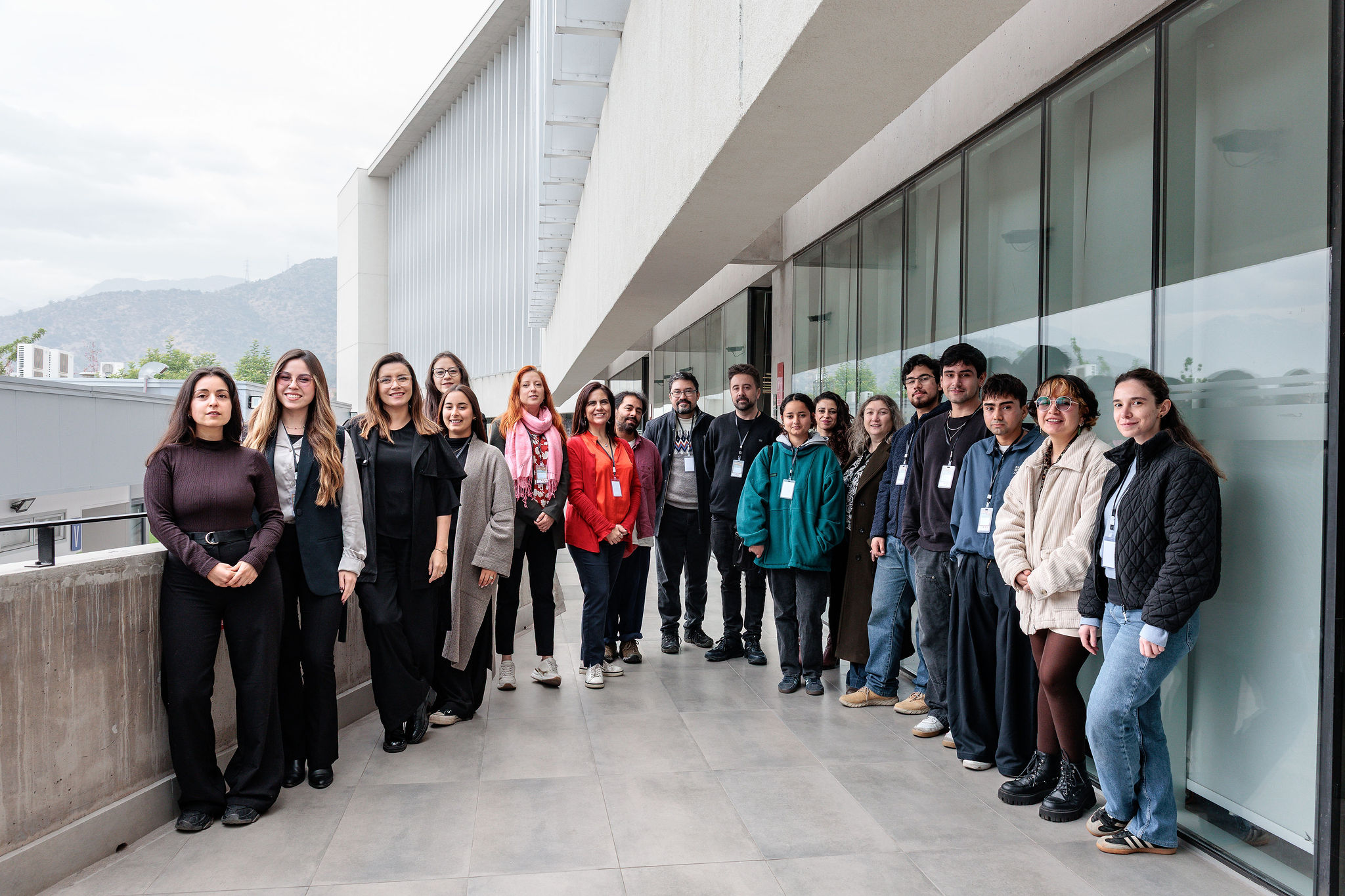
Last Friday, May 15, the School of Design at the Universidad del Desarrollo hosted the international seminar and workshop “Mycomateria: Biomanufacturing with Mycelium,” an event that brought together researchers, academics, biomanufacturers, and students from various countries in Ibero-America to discuss the development of bio-based materials for design, architecture, and sustainable construction.
The event, held at the UDD Sustainable Materials Laboratory, was organized in collaboration with the CYTED BioRed Iberoamérica Network (324RT0155), the new Center for Innovation in Technology and Design of Materials for the Built Environment (CIMAC; ANID CTI250005), Myconexus, the Transdisciplinary Network for Sustainable and Regenerative Biomaterials (Redes-Vid RF04225), FungiLabFAU, and Taller Percán.
The main objective of the meeting was to consolidate the work of the BioRed Mycelium Node by promoting new interdisciplinary collaborations, technology transfer, and coordination among academia, industry, and research networks related to biomaterials and biofabrication.
The event was led by Andrea Wechsler, a professor and researcher in the UDD Design Department, coordinator of BioRed Iberoamérica, and principal investigator at CIMAC, who highlighted the importance of creating collaborative spaces to move from experimental research toward real-world, scalable applications. “Today, there is an urgent need to connect research, design, science, and industry to develop sustainable materials capable of being integrated into local production chains. Mycelium presents an extraordinary opportunity for Ibero-America, especially given the vast availability of agro-industrial waste in our regions,” she said.
Thirty-eight representatives from institutions in Chile, Argentina, Colombia, Mexico, Ecuador, and Paraguay participated in the seminar and workshop, including:
The presentations covered research related to mycelium-based biomaterials, 3D printing of biocomposites, thermal and acoustic insulation, biodegradable packaging, the valorization of lignocellulosic waste, physical-mechanical characterization, and regulatory challenges for the industrial adoption of bio-based materials.
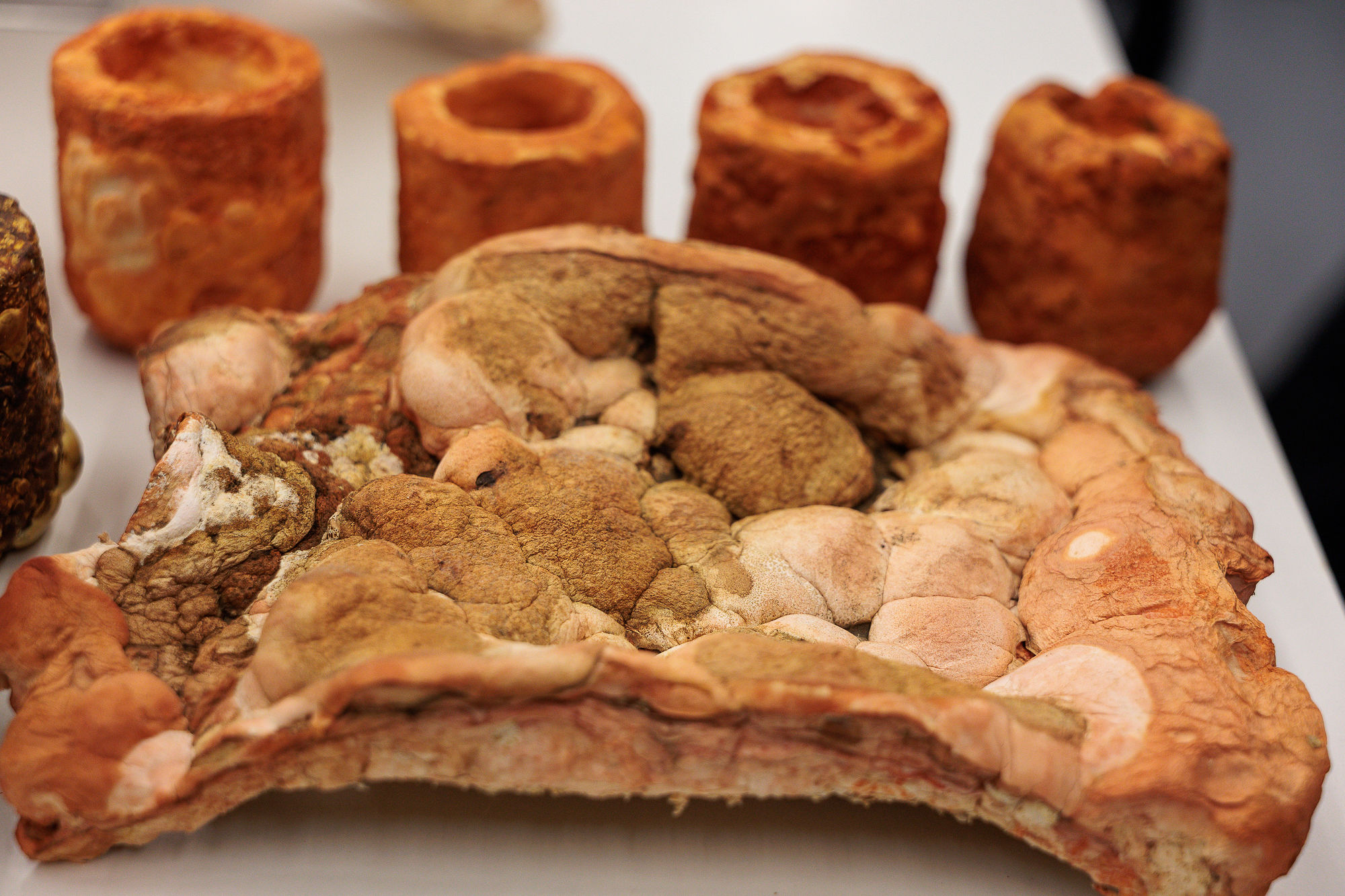
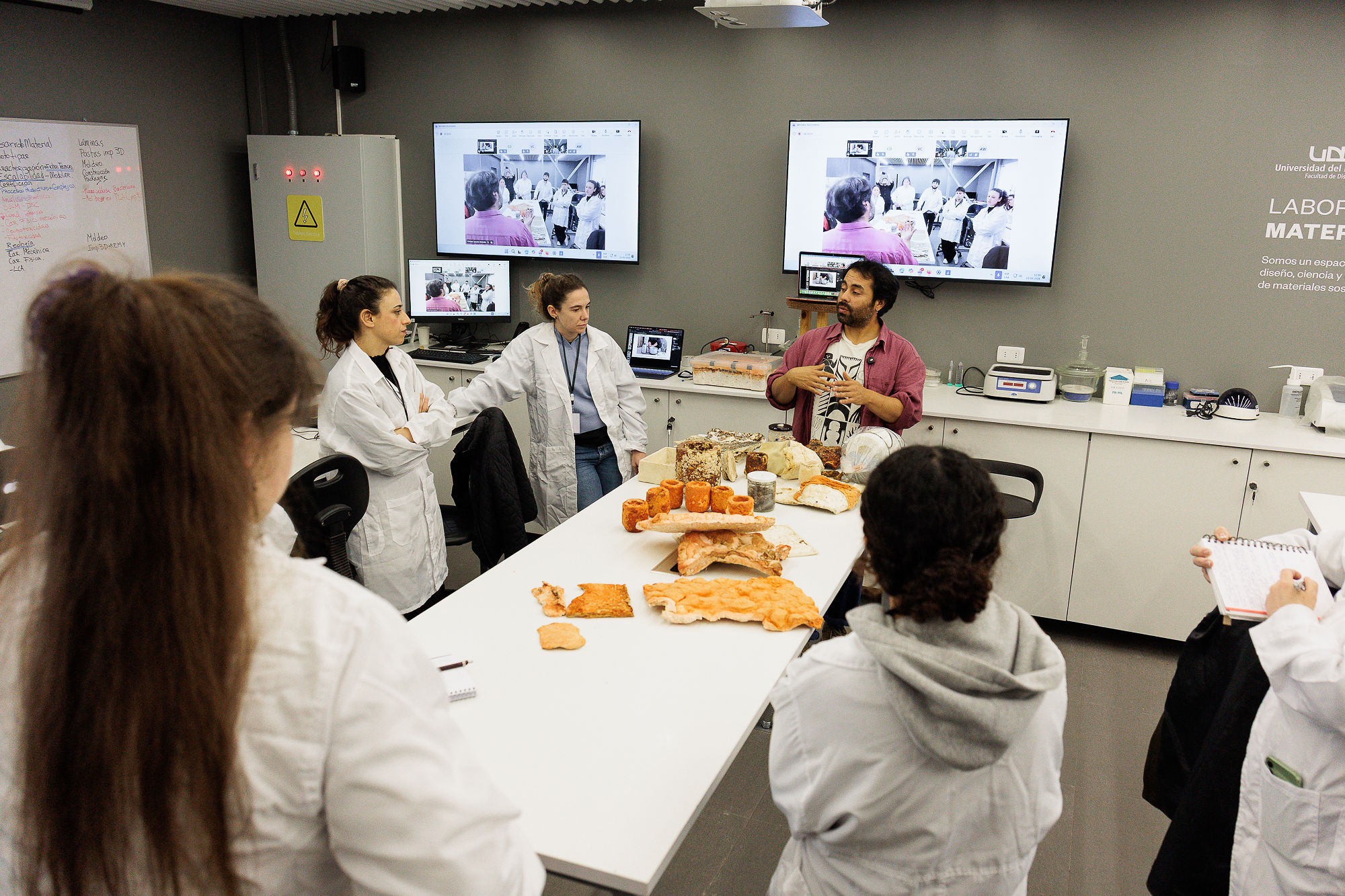
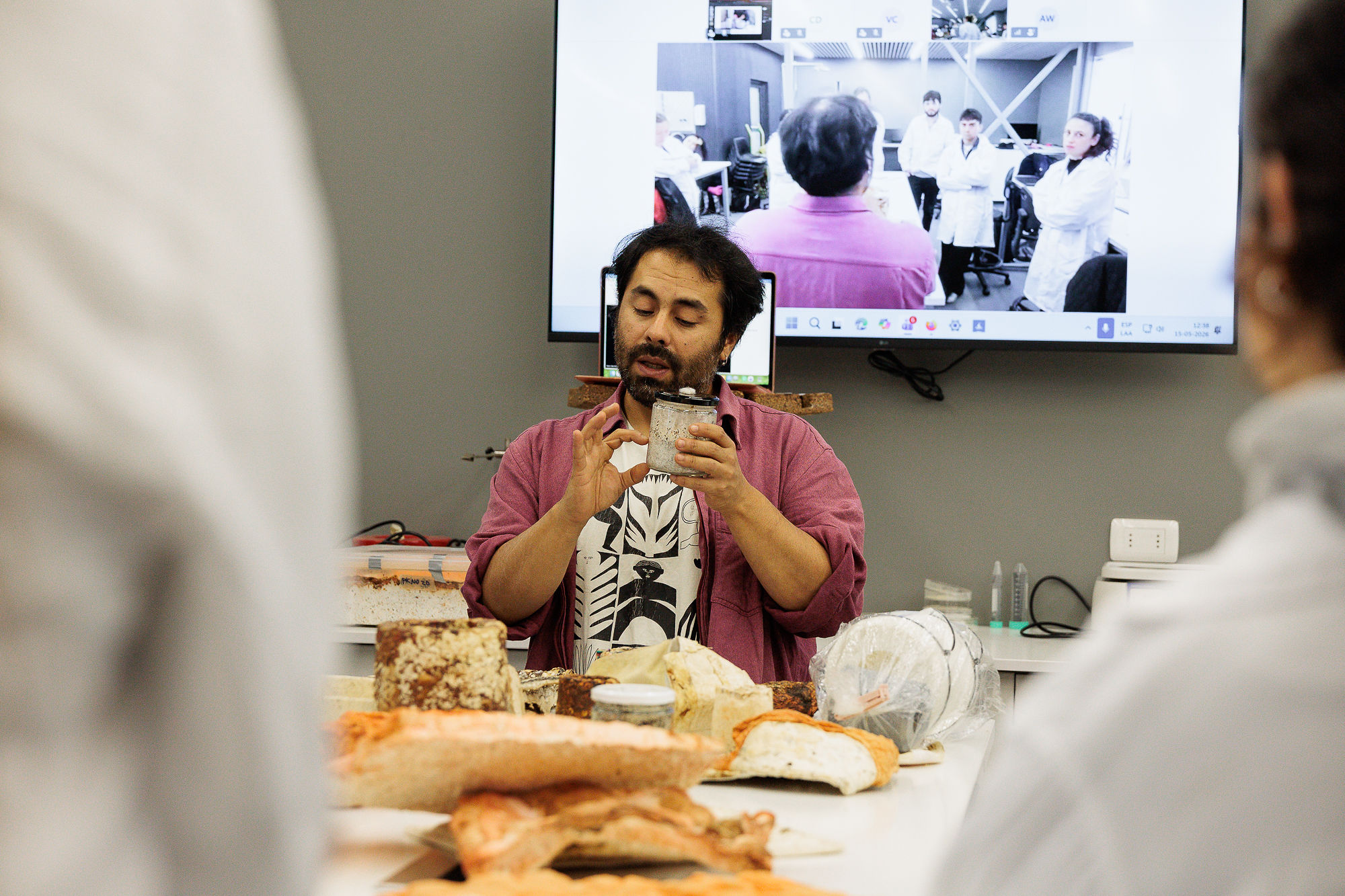
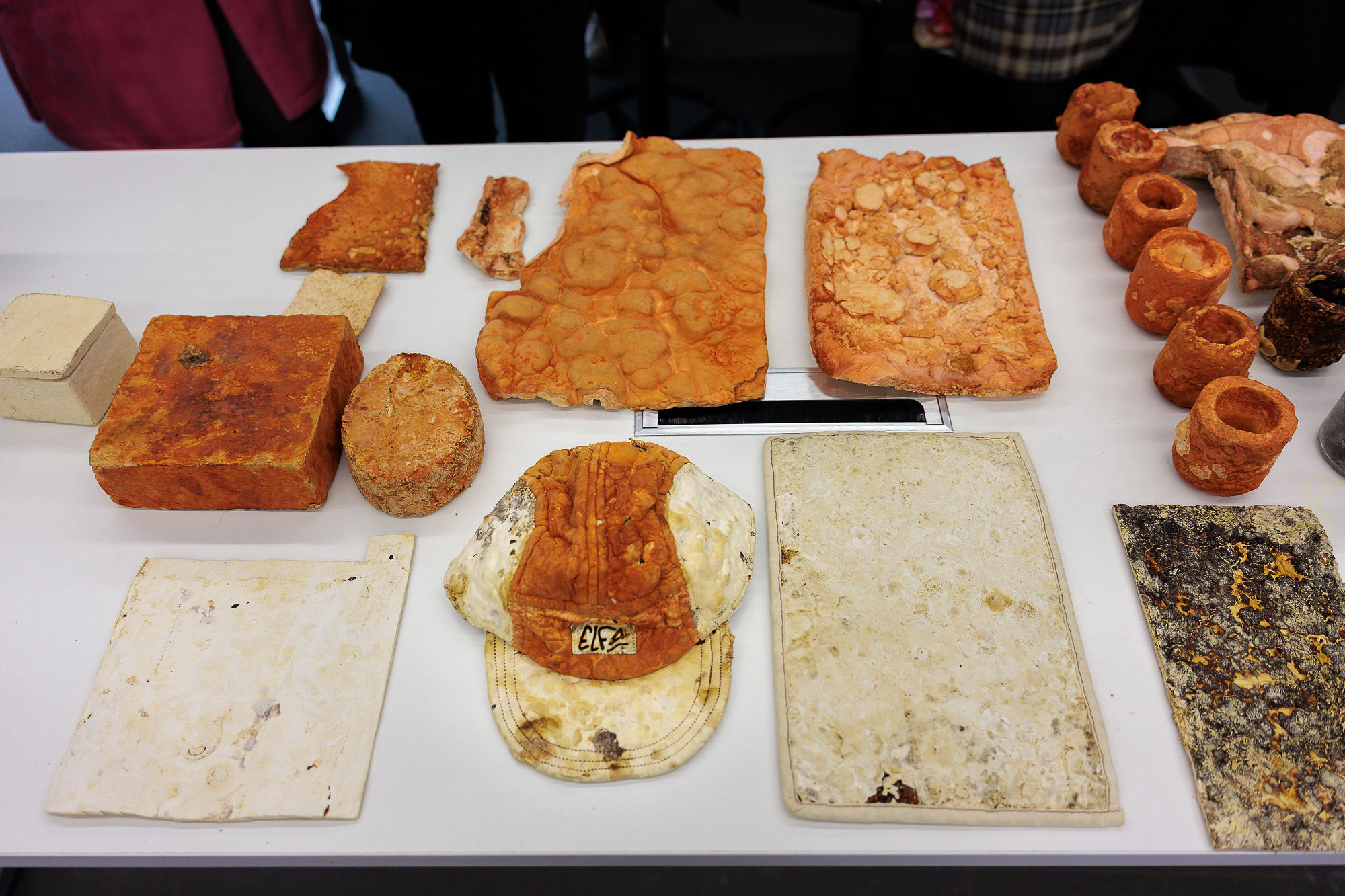
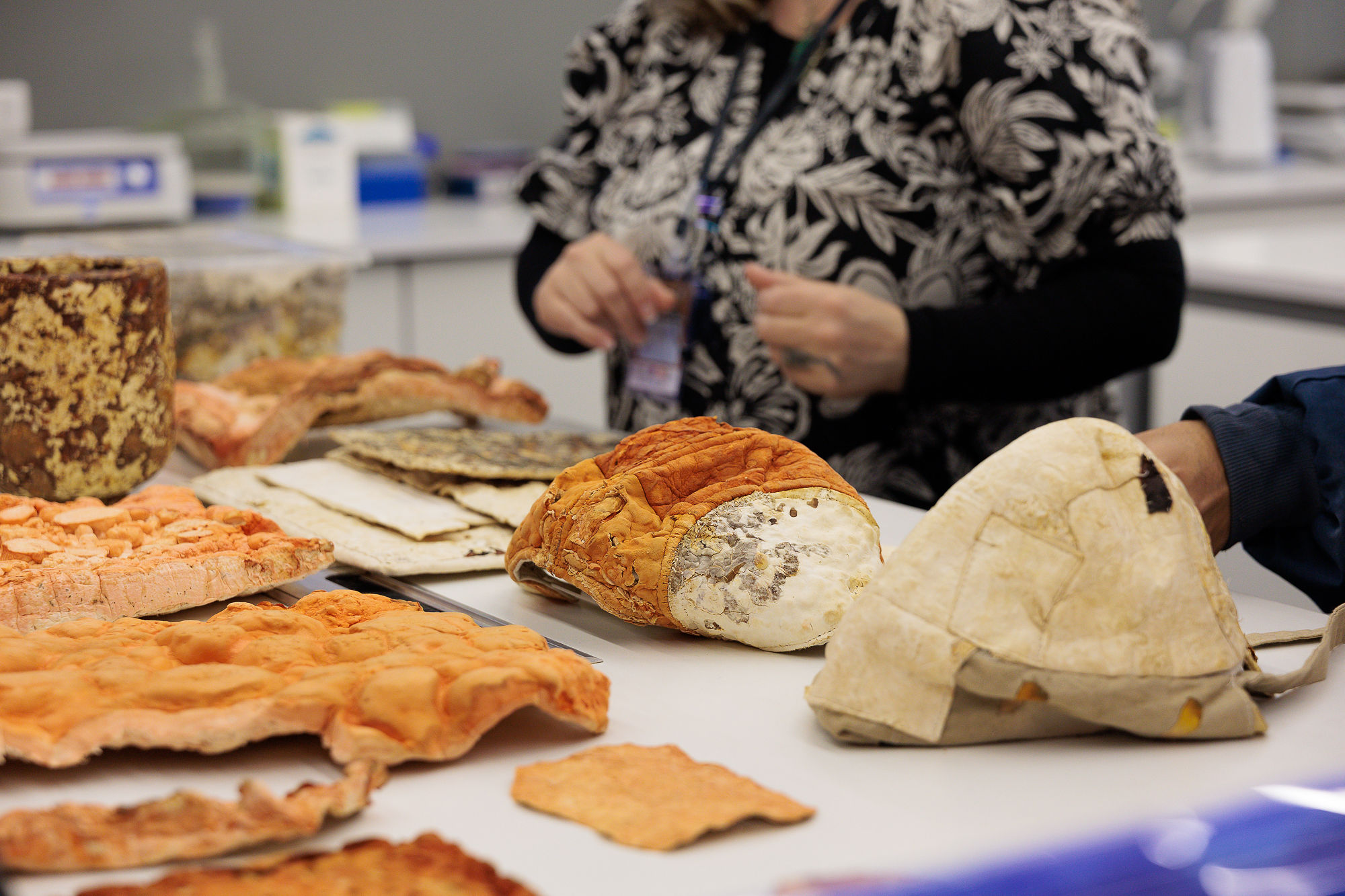
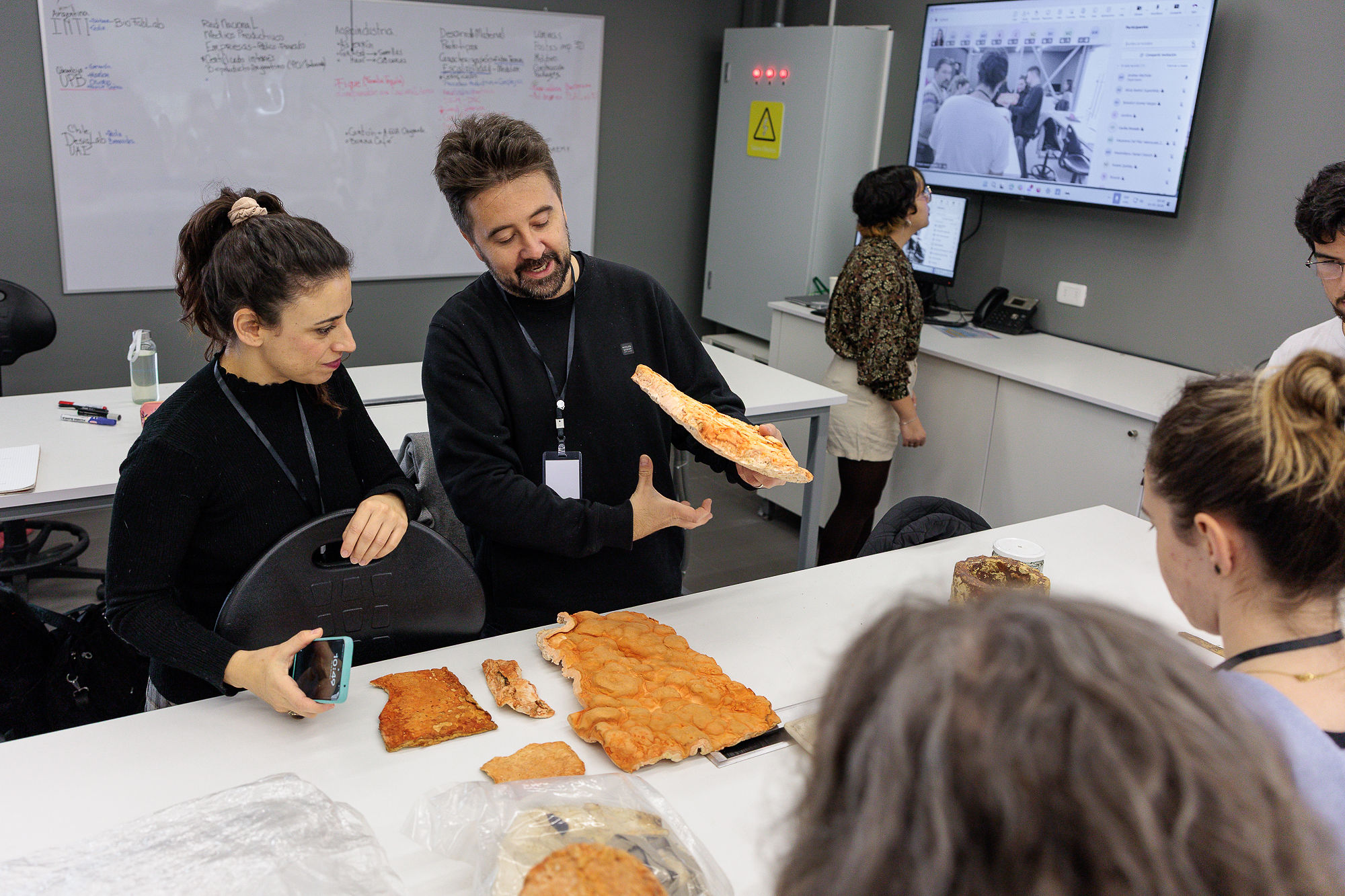
One of the highlights was the hands-on workshop led by Pedro Pinto, a mycofabricator and founder of Taller Percán (Concepción), who is recognized for his pioneering work in biofabrication using mycelium in Chile. During the workshop, participants learned about the processes involved in cultivating, molding, and growing living biomaterials, and explored experimental applications developed from organic waste and fungi.
The meeting also helped identify common gaps among the various research groups, including: a lack of specific regulations and certifications, the need for industrial scaling up, the development of characterization protocols, and the strengthening of ties between academia and industry.
Looking ahead, the participants agreed to move forward with joint scientific publications, the development of technical data sheets and common protocols, international internships, specialized workshops, and new technology transfer initiatives related to biomaterials and the circular economy.
The “Mycomateria” seminar is part of the initiatives promoted by BioRed Iberoamérica, a CYTED network that currently brings together more than 70 researchers from 8 countries and focuses on the development of bio-based materials as inputs for new products and sustainable applications.